
Cooking at home becomes easier and more enjoyable when fresh ingredients are always within reach. Instead of relying on last-minute supermarket trips, many home cooks are choosing to grow their own vegetables to support everyday meals. Even a small amount of home-grown produce can elevate simple dishes, adding freshness, flavour, and flexibility to daily cooking.
For households short on space or time, vegetable planter boxes offer a practical way to grow ingredients close to the kitchen. Whether placed on a balcony, patio, or backyard, planter boxes allow home cooks to grow vegetables they actually use, making it easier to plan meals around what’s fresh and ready to harvest.
Growing With Cooking in Mind
When growing vegetables for everyday meals, it’s important to think like a cook rather than a gardener. The most useful plants are often those that can be harvested regularly and used across multiple dishes. Ingredients that work well in salads, pasta, stir-fries, and quick sides tend to provide the most value for home kitchens.
Planter boxes make this approach easier by allowing you to group vegetables based on how you cook. Keeping frequently used ingredients nearby encourages spontaneous cooking and reduces food waste, as produce can be picked only when needed.
Vegetables That Suit Everyday Meals
Some vegetables are especially well suited to home growing because they are versatile, fast-growing, and commonly used in everyday cooking. Popular choices include:
- Leafy greens : lettuce and spinach for salads, wraps, and bowls
- Herbs : basil, parsley, coriander, and mint for flavouring meals
- Cherry tomatoes for pasta dishes, roasting, and sandwiches
- Spring onions for stir-fries, omelettes, and garnishes
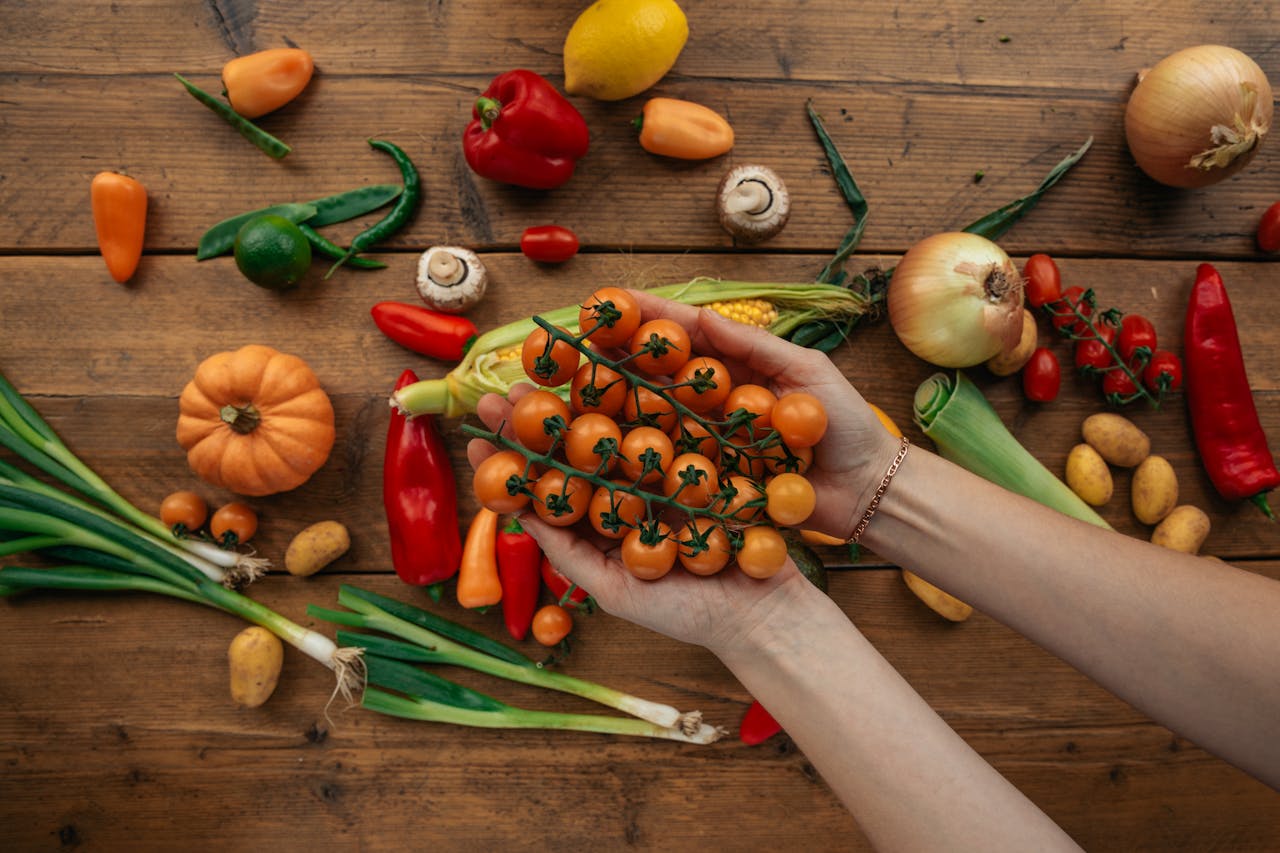
These ingredients are easy to incorporate into weeknight dinners and can be harvested continuously, making them ideal for home cooks.
Setting Up Your Vegetables for Success
Once you’ve chosen vegetables that suit everyday meals, setting them up properly makes all the difference. Most edible plants grow best in loose, nutrient-rich soil that allows roots to spread easily. Using a quality potting mix designed for vegetables helps plants establish quickly and reduces the need for complicated fertilising schedules.
Planter boxes make this process easier by giving you full control over soil quality and drainage. This is especially helpful for home cooks who want reliable results without turning gardening into a technical project.
Getting Sunlight Right
Sunlight has a direct impact on how vegetables grow and taste. Leafy greens, herbs, and fruiting vegetables such as tomatoes generally perform best when they receive several hours of direct sunlight each day. Insufficient light can lead to slower growth and less flavourful produce.
Placing planter boxes in a bright, accessible spot encourages healthier plants and makes harvesting easier. When vegetables are easy to reach and visibly thriving, they are more likely to be used regularly in cooking rather than forgotten.
Watering Without Overcomplicating It
Watering is one of the most common areas where beginners feel unsure, but it doesn’t need to be complicated. Instead of following a strict schedule, it’s more effective to check soil moisture regularly and water when the top layer begins to dry out. Consistent watering supports steady growth and better flavour, while overwatering can lead to weak roots and bland-tasting vegetables. A simple habit of checking the soil before watering is often enough to keep plants healthy.
Harvesting for Better Meals
One of the biggest advantages of growing vegetables at home is harvesting them exactly when needed. Picking herbs, leafy greens, or ripe vegetables at their peak improves both flavour and texture, making meals fresher with minimal effort. Moreover, regular harvesting also encourages plants to keep producing. Using home-grown vegetables as part of everyday meals helps create a natural rhythm between growing and cooking, rather than treating the garden as a separate task.
Building a Simple, Sustainable Routine
Growing vegetables at home works best when routines stay manageable. Small, consistent habits such as checking plants every few days, harvesting regularly, and adjusting watering as needed help maintain healthy growth without becoming overwhelming.
Over time, confidence builds naturally. By focusing on vegetables you actually cook with and keeping the process simple, home growing becomes an extension of everyday meal preparation rather than an extra responsibility.